Claim Your Energy Efficient Home Improvement Credit with Xtreme Alaska Spray Foam!
Until January 1, 2033, you could qualify for the Energy Efficient Home Improvement Tax Credit when you improve your home with spray foam!

Until January 1, 2033, you could qualify for the Energy Efficient Home Improvement Tax Credit when you improve your home with spray foam!
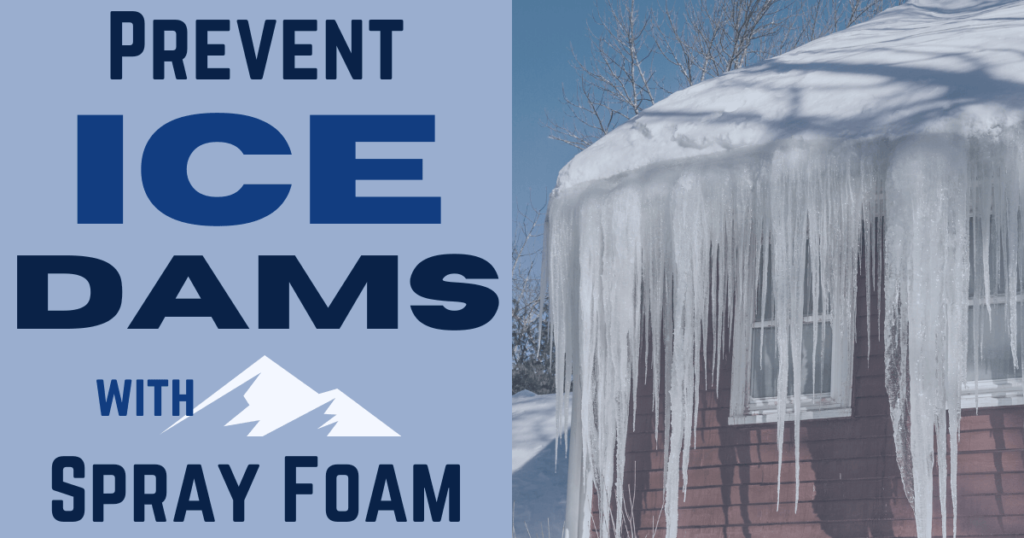
Spray foam insulation can help prevent ice dams from forming so that your home and family stays snug as a bug in a rug for the whole winter.

At Xtreme Alaska Spray Foam, we believe that spray foam is better than a pot of gold at the end of a rainbow!
Let’s dive deeper into the two main types of spray foam insulation – open-cell and closed-cell foam – so you can choose the best type of foam for your insulation need.
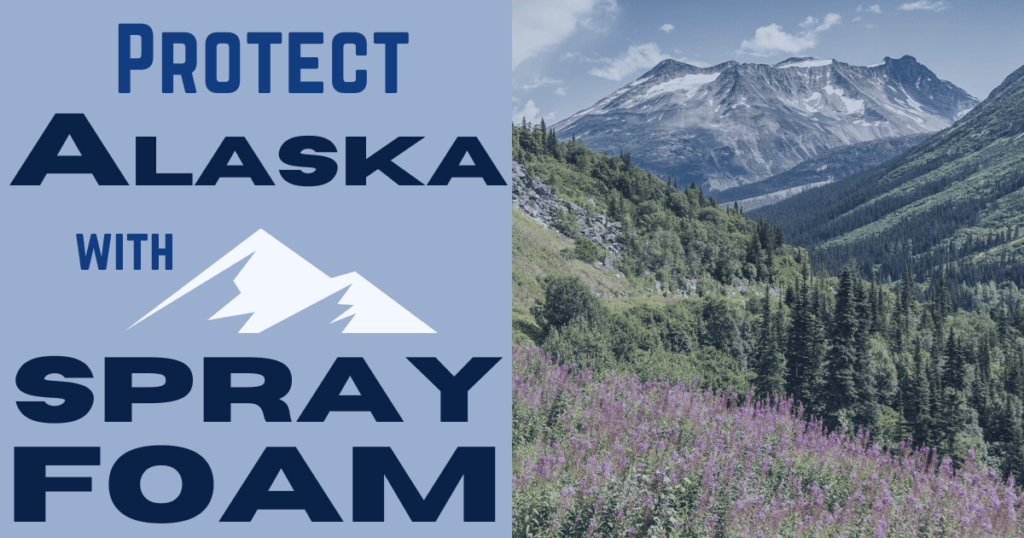
Spray foam insulation can protect your home, family, livestock, and other valuables from the elements AND protect the Alaskan wilderness!
Spray foam insulation regulates temperatures in your home, barn, or toy trailer – and it does that VERY well! But that’s not all spray foam can do! It can also revitalize your uneven driveway or home foundation through concrete lifting, and keep your boat afloat!
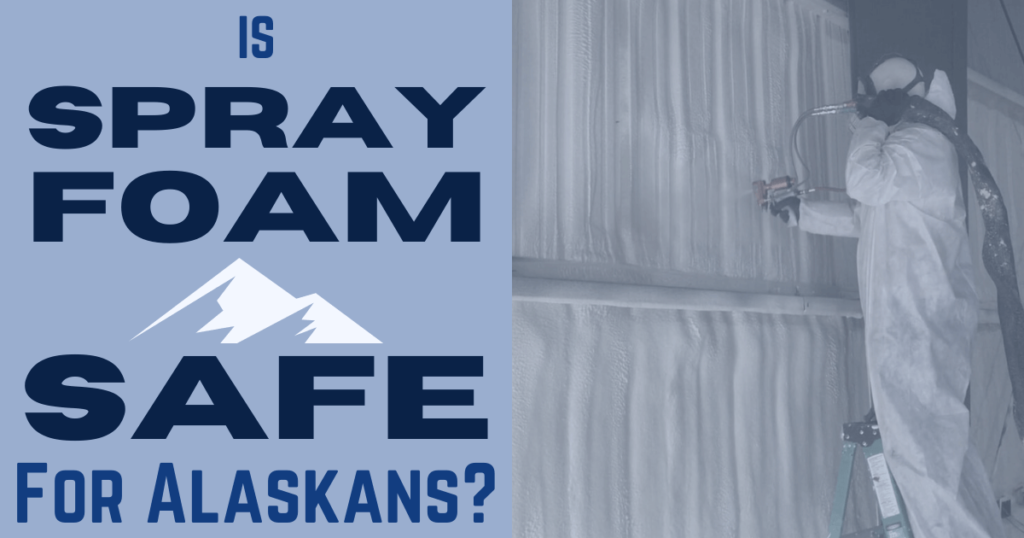
It takes ~24 hours for spray foam insulation to cure completely. After that time, it is safe to be around! Why can’t you stay at home while we spray? Let’s dig into the chemistry of spray foam to find out!
In this blog post, we discuss condensation, introduce vapor retarders and barriers, and discover which type of spray foam insulation can serve as a vapor barrier in your home. (Spoilers: it’s closed-cell foam!)
You’re thinking about installing spray foam insulation, you say? Fantastic! Let’s examine some reasons to use spray foam insulation, unpack how to choose between open- and closed-cell spray foam, briefly talk about local building codes, and discuss finding what you deserve when choosing a spray foam contractor.
At Xtreme Alaska Spray Foam, we want to make spray foam as approachable as possible so that you can make the best insulation decisions for your family! To help do that, let’s examine why people use insulation, discuss R-Values, explore the differences between open- and closed-cell foam, and take a look at the Alaskan energy guidelines.